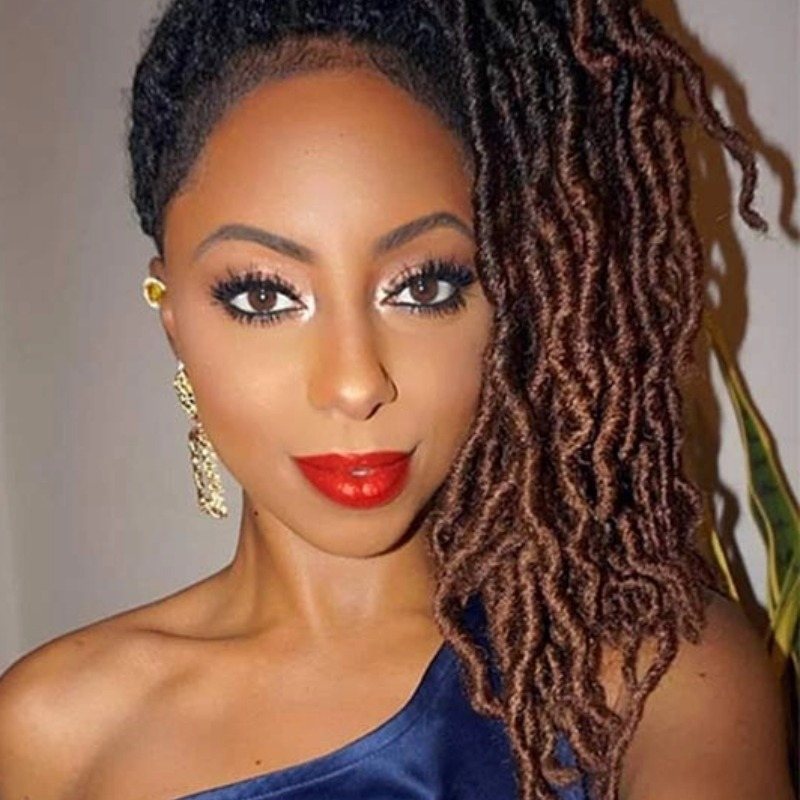
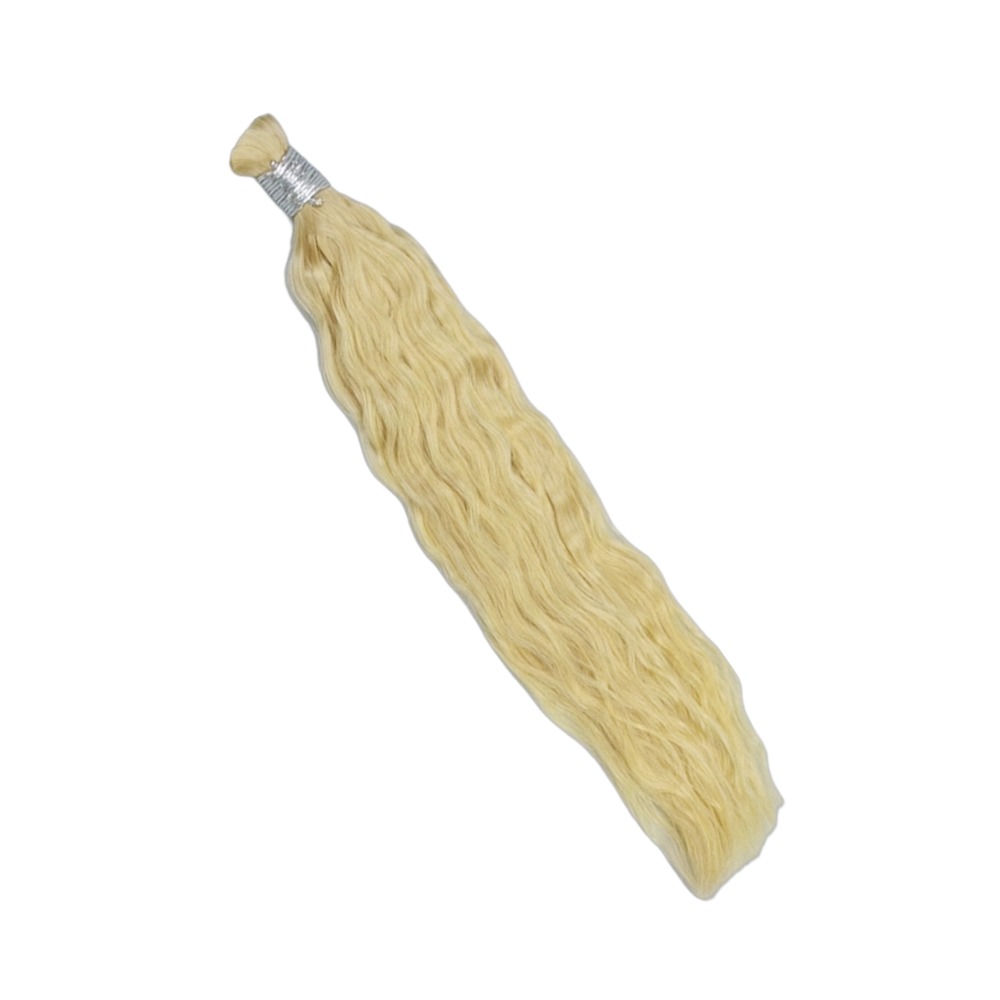
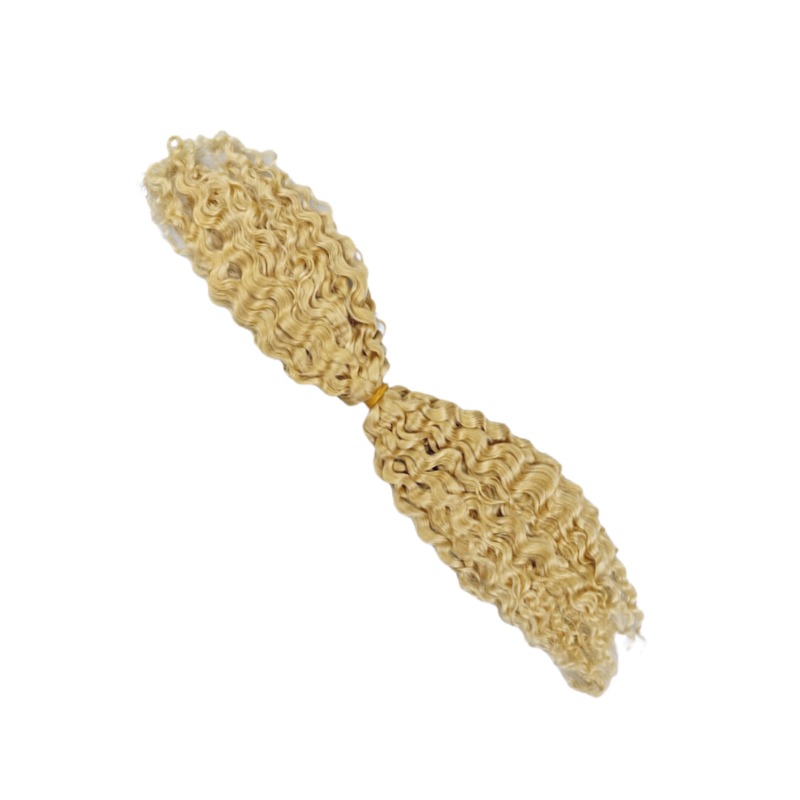
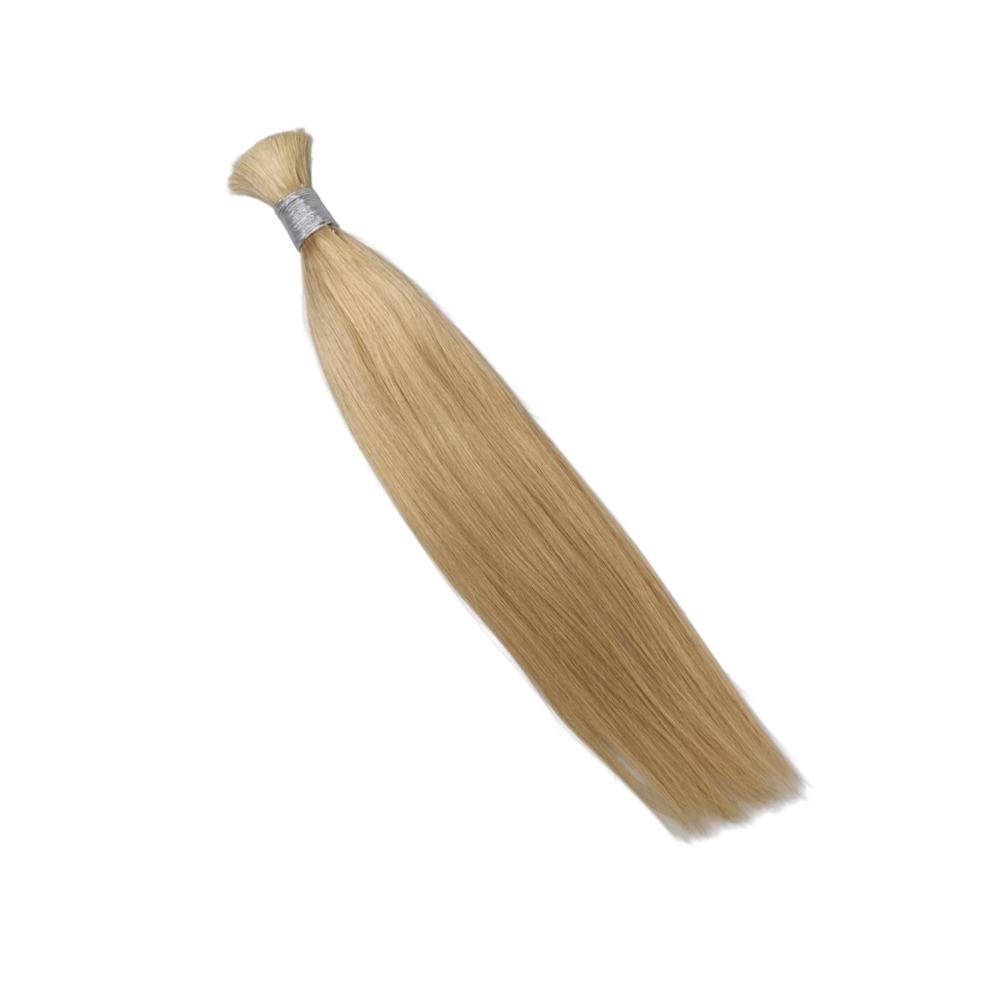
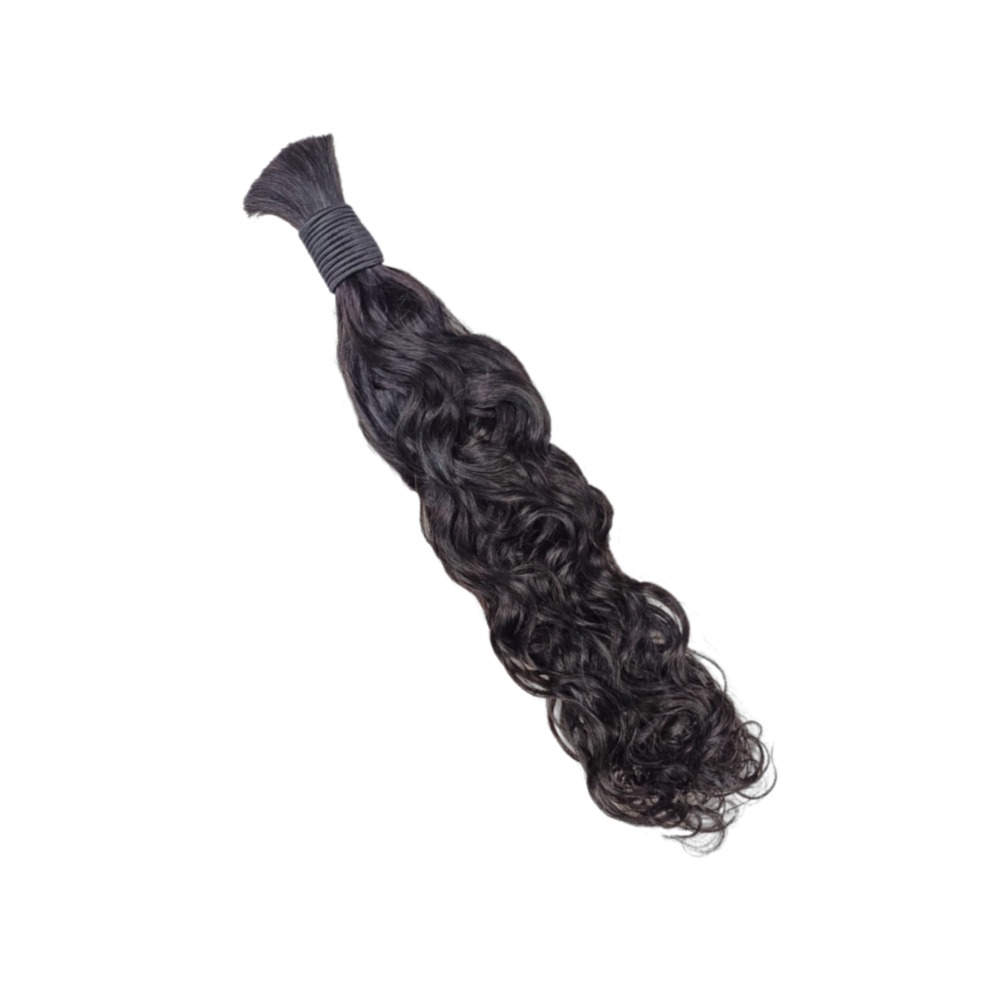
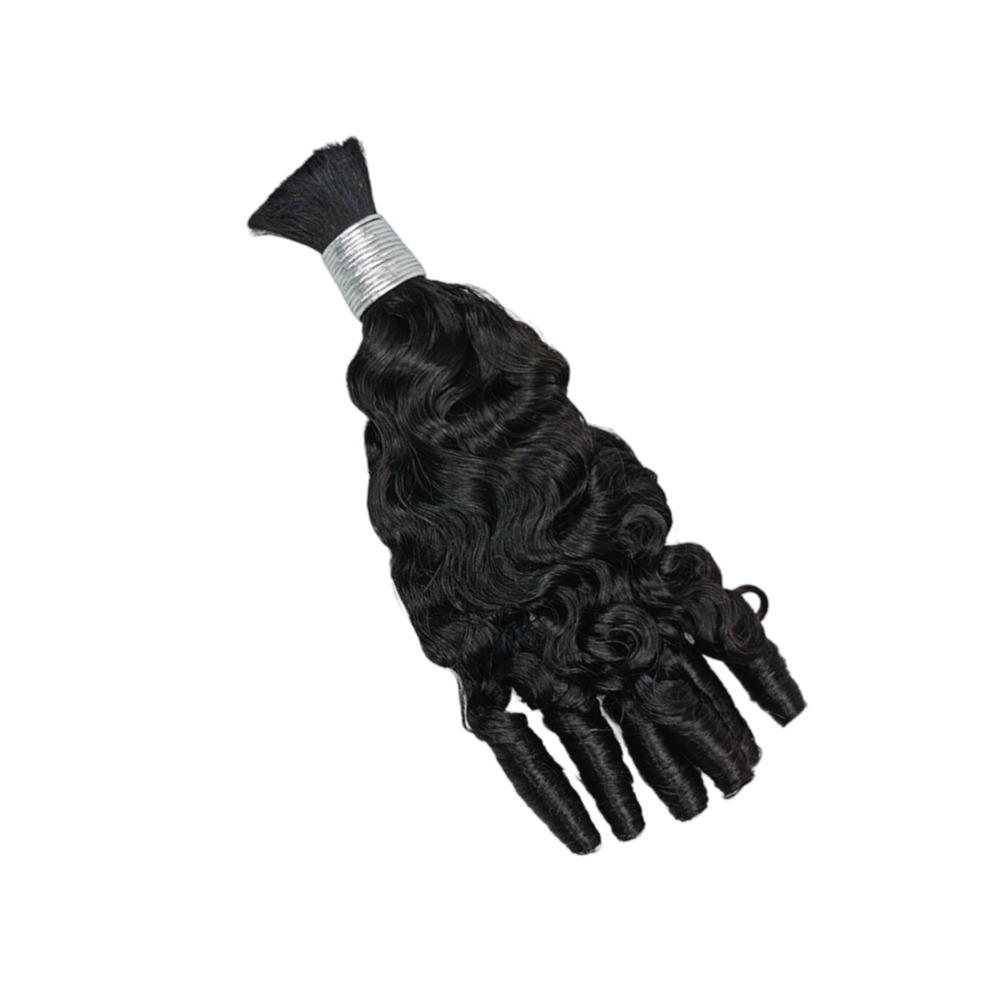
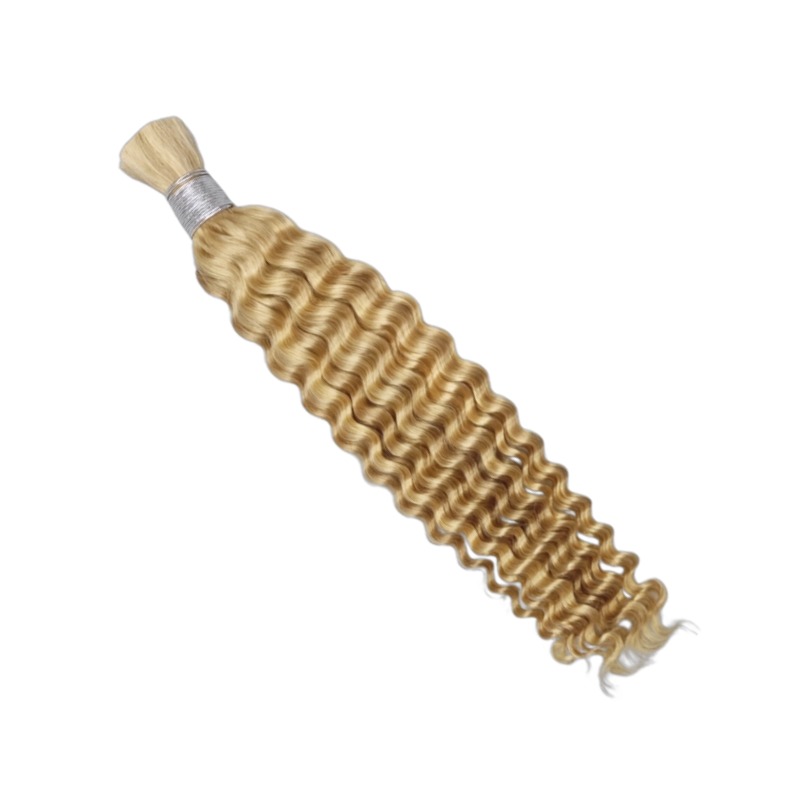
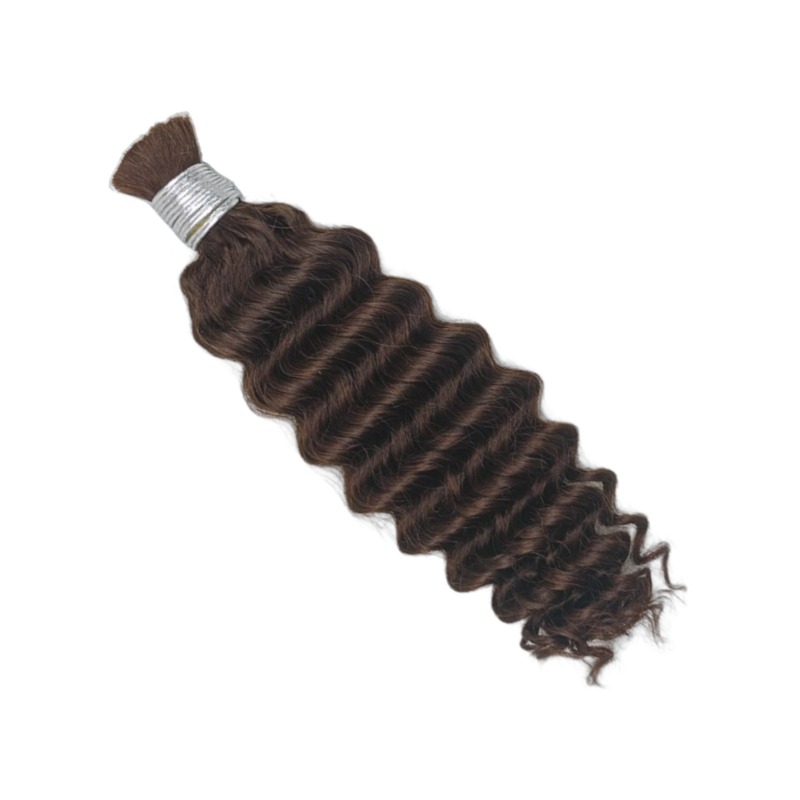
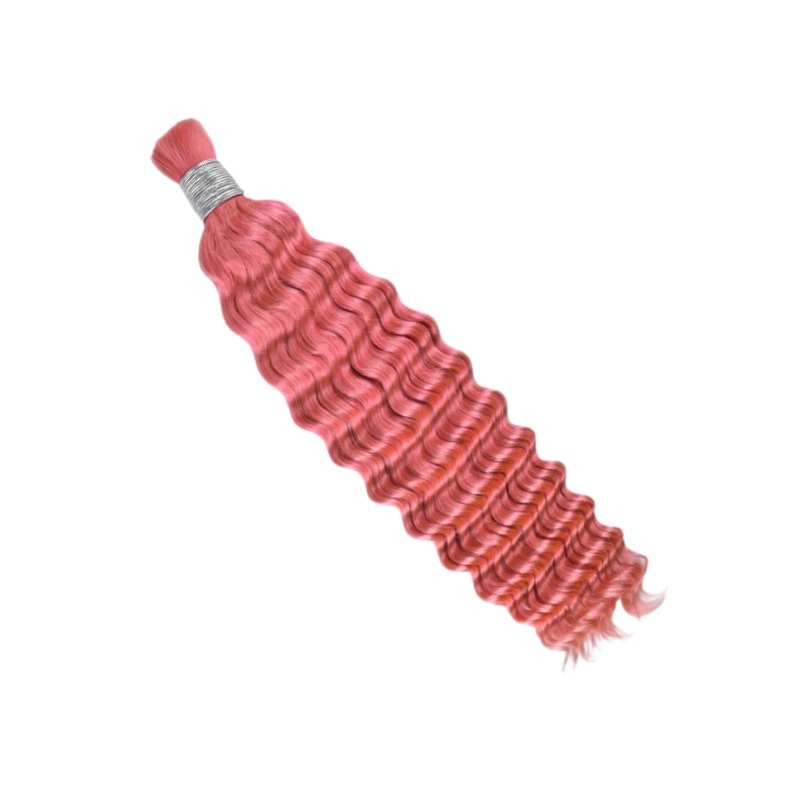
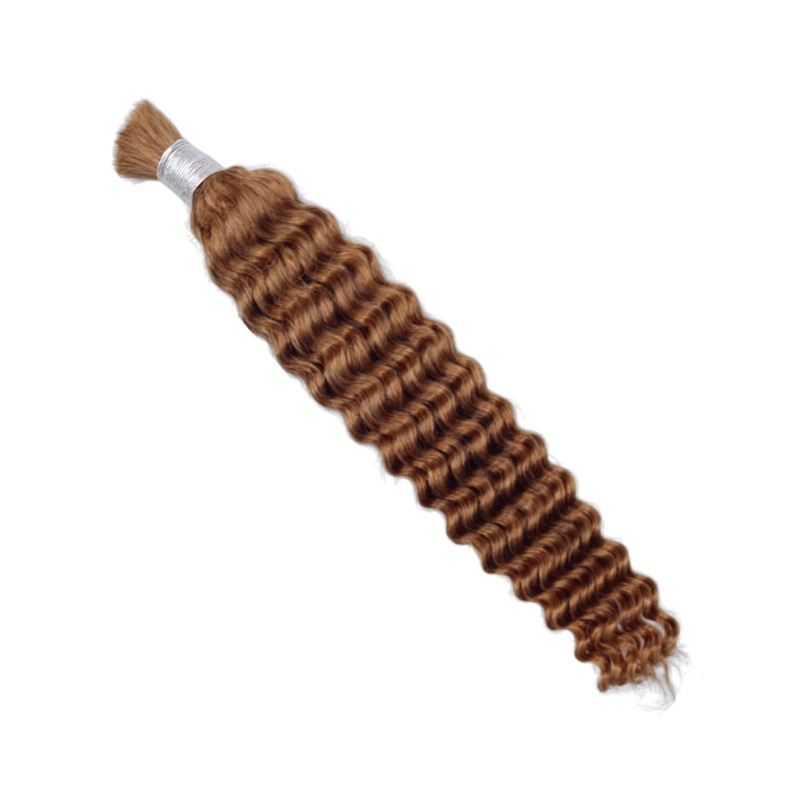
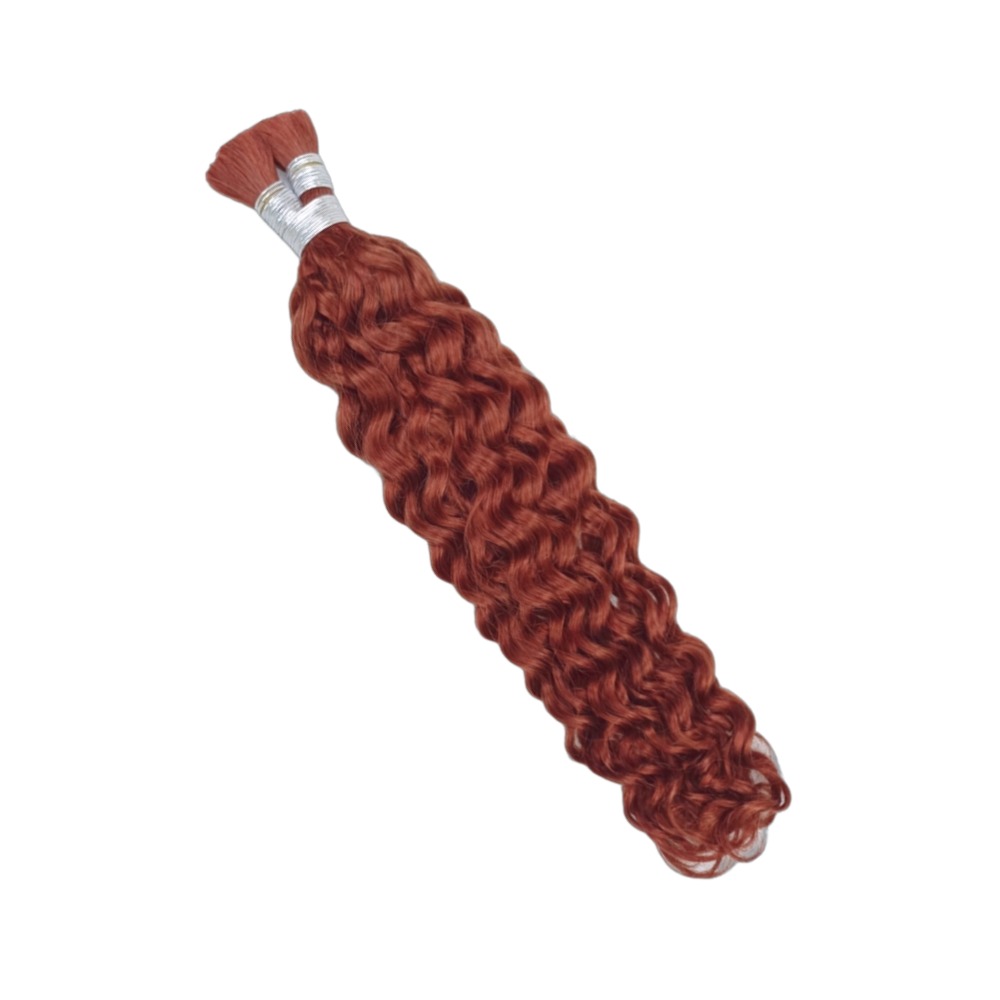
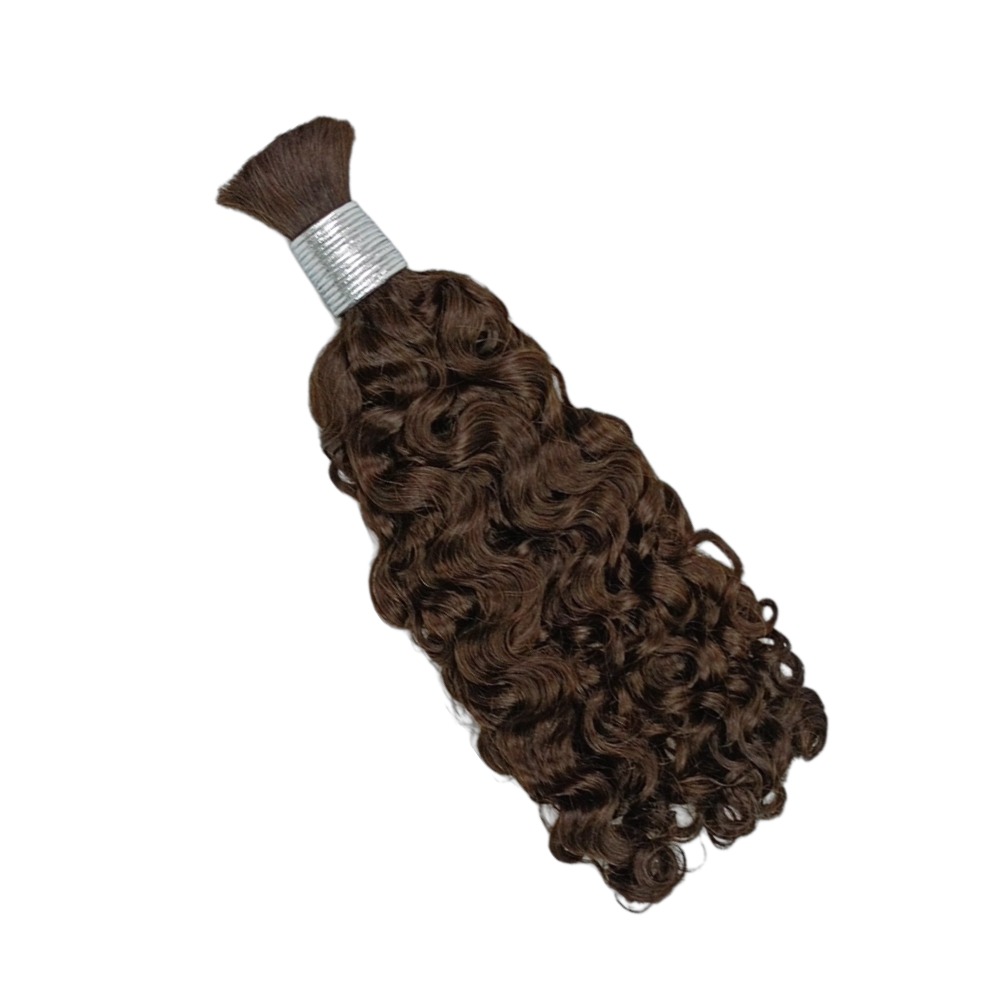
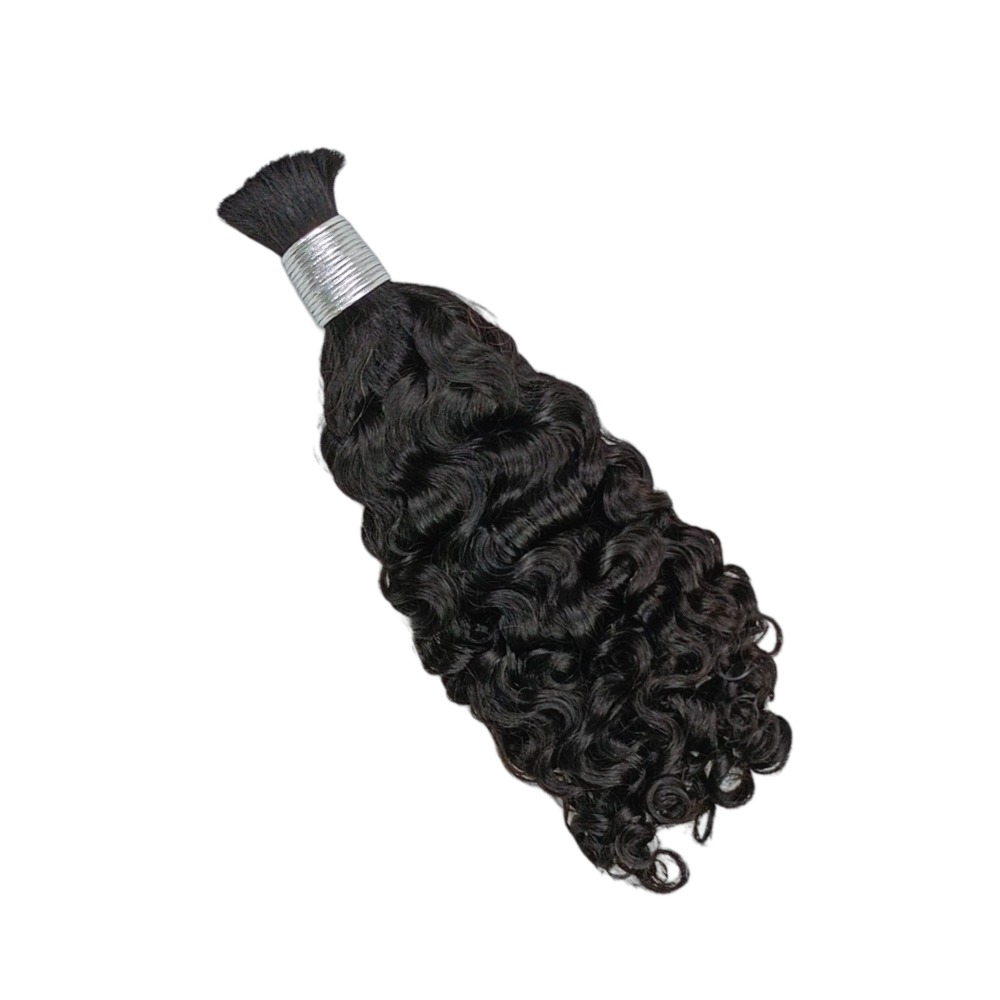
Hair color appears distinct on curly and straight hair mainly due to differences in hair structure, light reflection, and visual density.
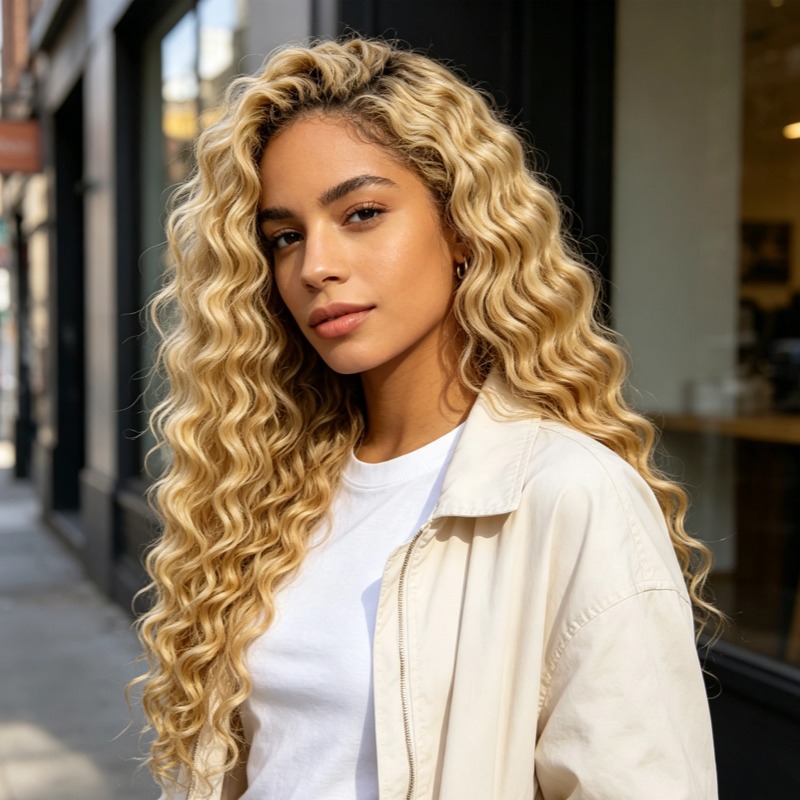
1. Hair cuticle & surface texture
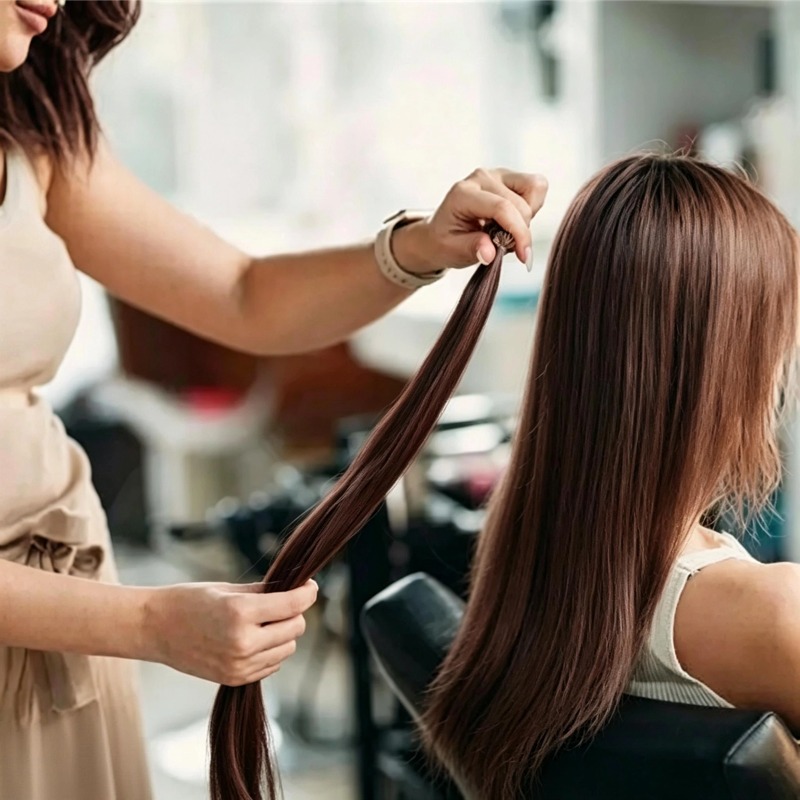
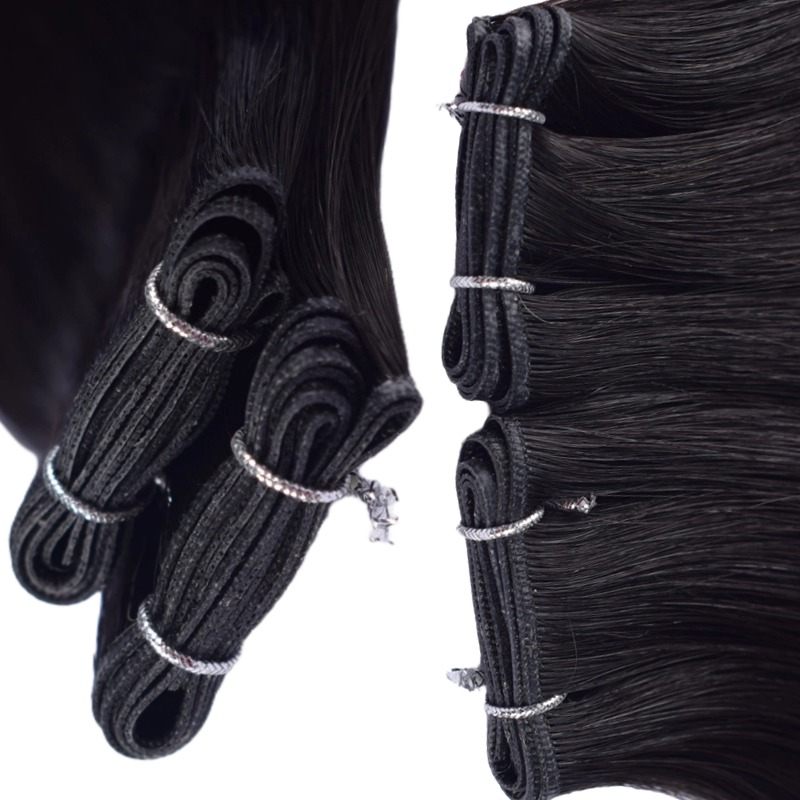
Straight hair lies flat, with its cuticles arranged smoothly. Light reflects evenly across the uniform surface, so the hair color shows its true shade clearly.
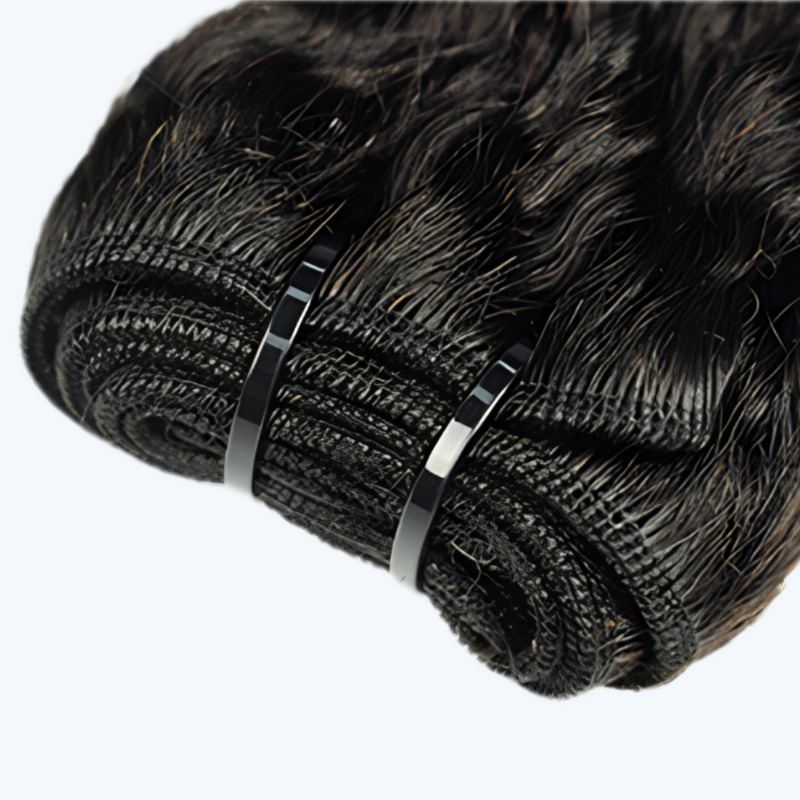
Curly hair twists and coils, creating an uneven, rugged surface. Irregular light reflection softens the original hue, making the color look dimmer or deeper visually.
2. Light refraction and shadow distribution
Straight hair strands hang parallel to one another. Shadows are faint and evenly distributed, with little visual interference to the color.
Tight curls form countless gaps and folds. Dense inner shadows accumulate between coils, darkening the overall tone. Curly hair also scatters light in multiple directions, further altering color presentation.
3. Visual volume and strand stacking
Curly hair naturally has greater bulk. Strands overlap densely, increasing the apparent color depth. Even the same dye formula looks richer and more saturated on curls.
Straight hair is sleek and less layered visually, displaying a lighter, more transparent color effect.
4. Hair diameter and stretch state
Curly hair is compressed in its natural state. When pulled straight, the strands elongate, the surface expands, and the color visibly lightens.
Straight hair maintains a stable form, so its color performance stays consistent.
Final Note
The hair dye formula itself does not change. The difference in color perception is purely a visual effect caused by hair shape and how light interacts with strands.