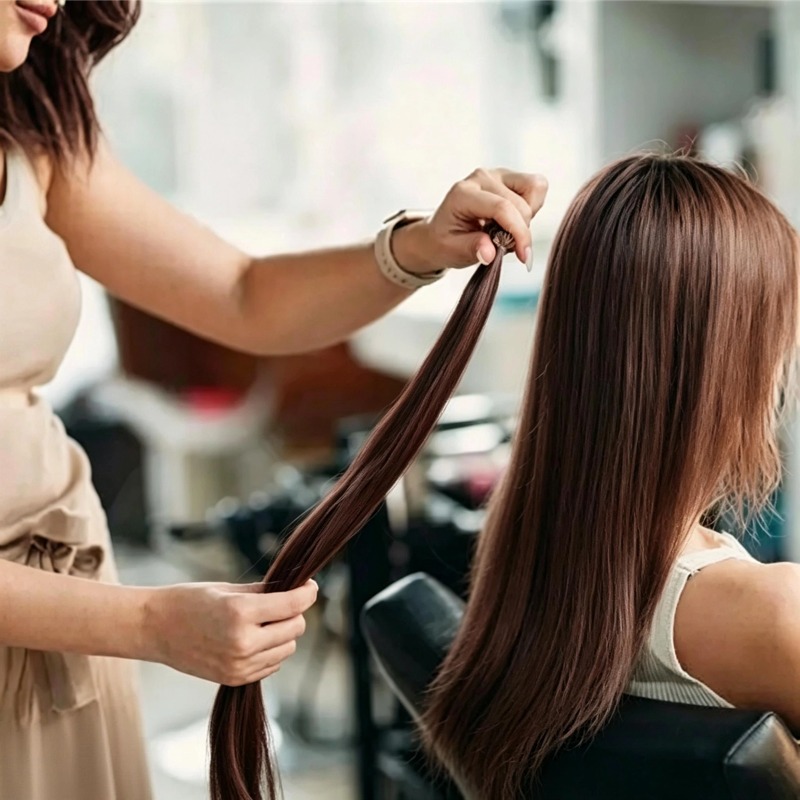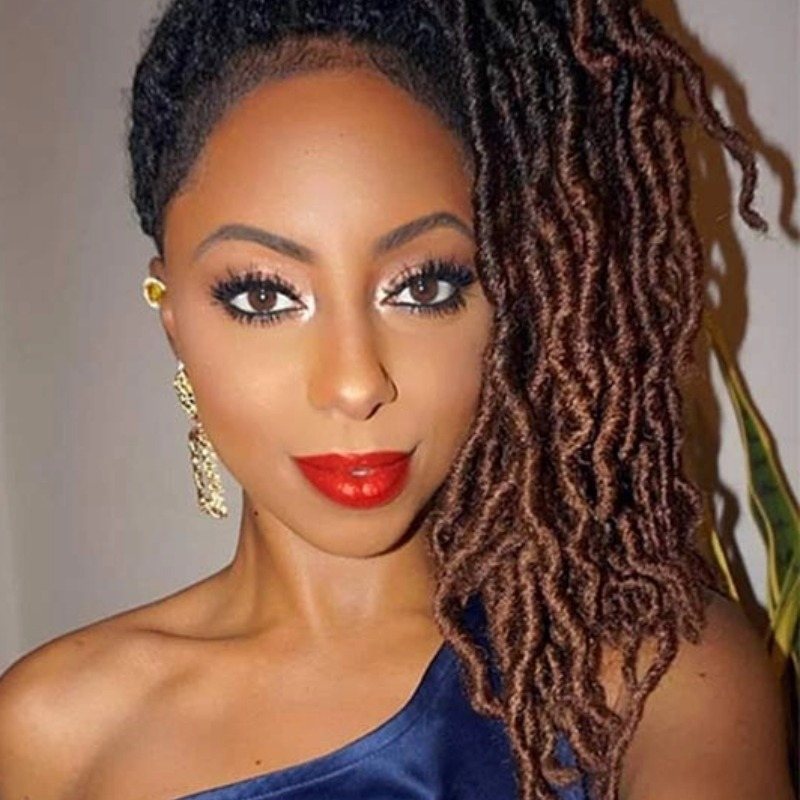
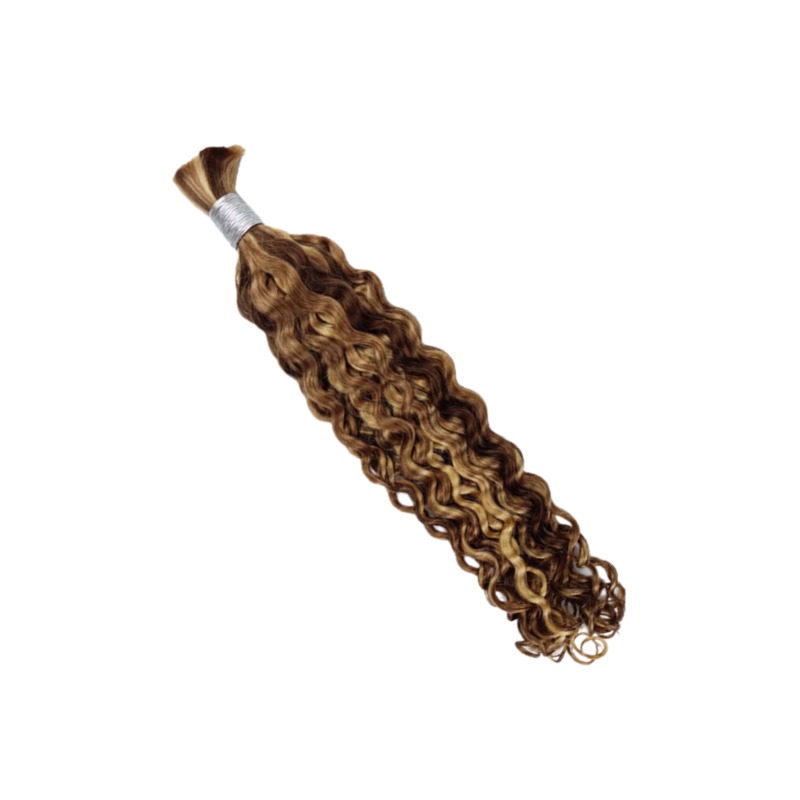
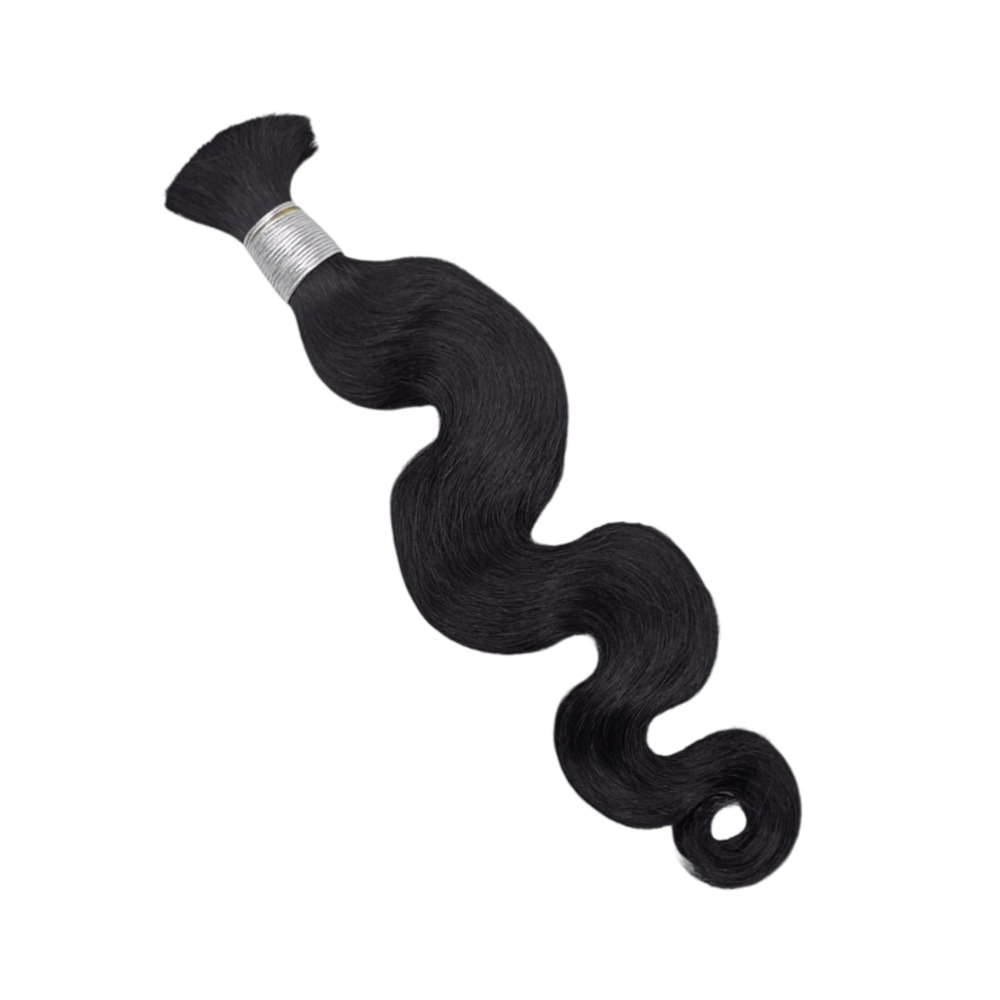
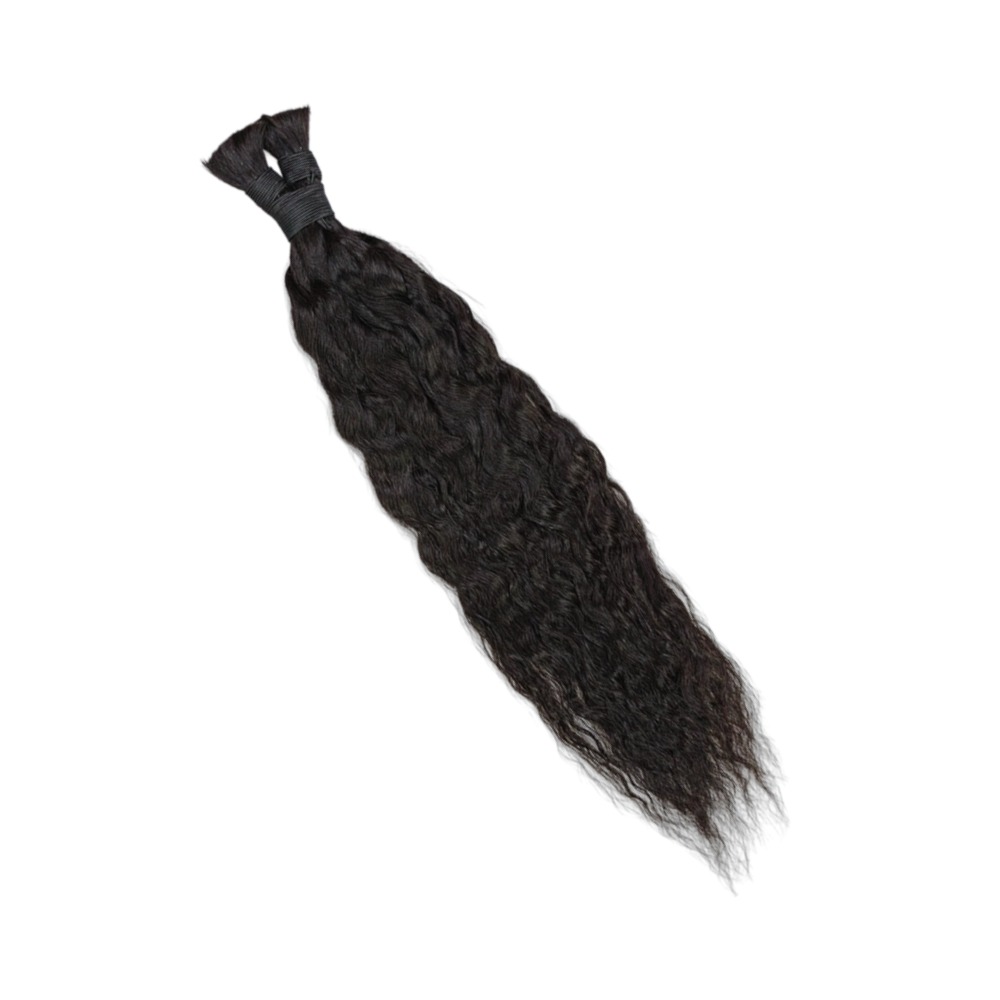
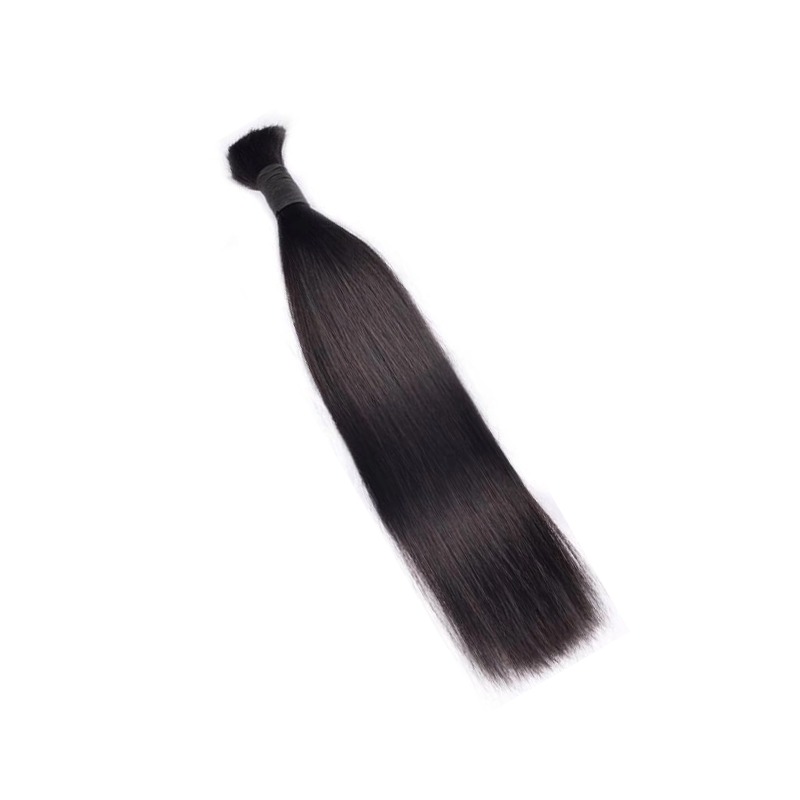
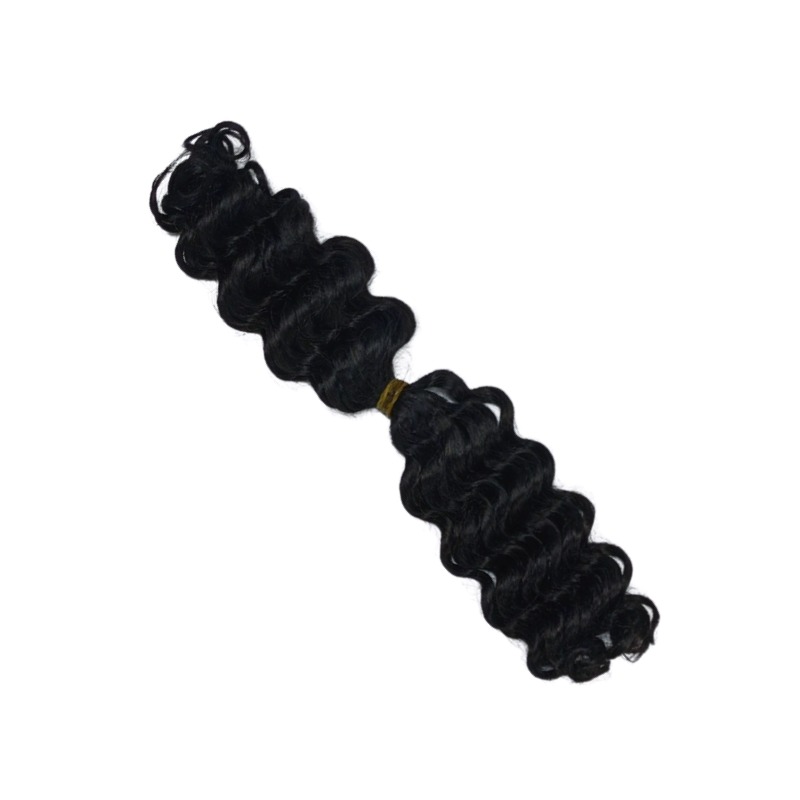
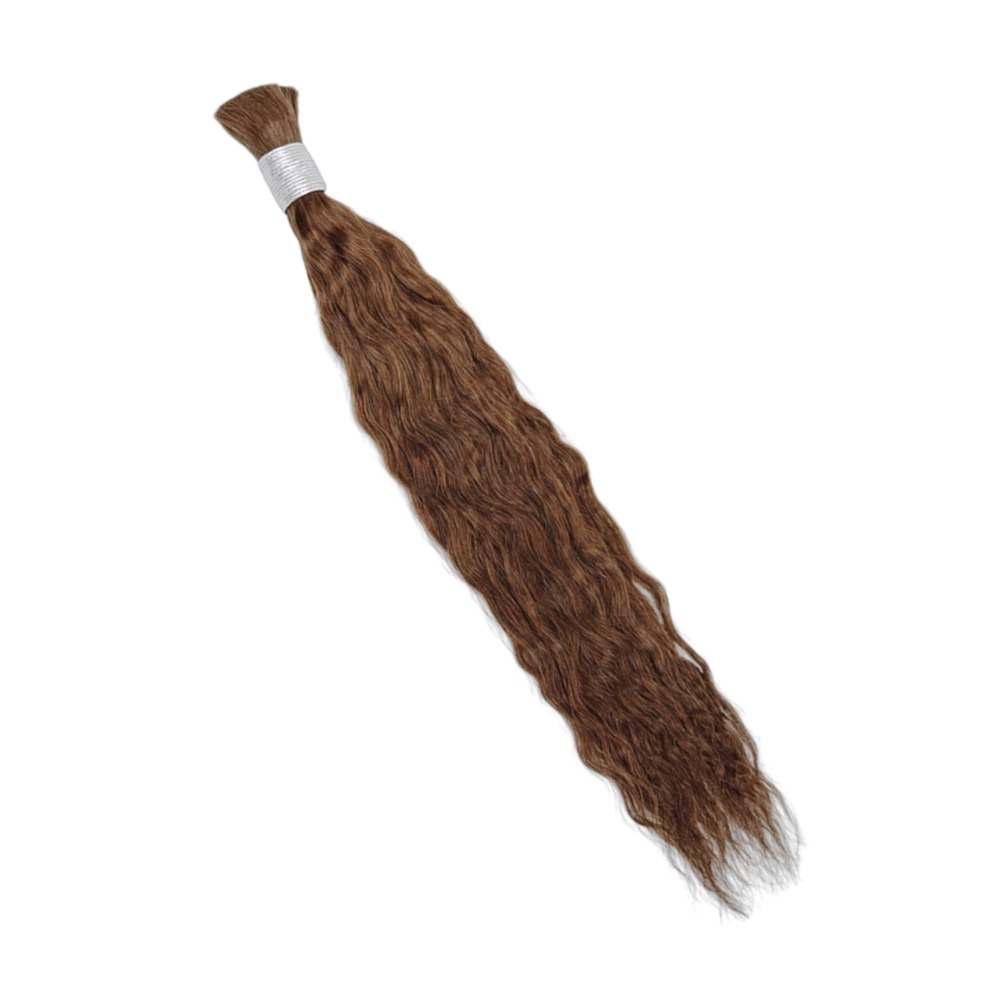
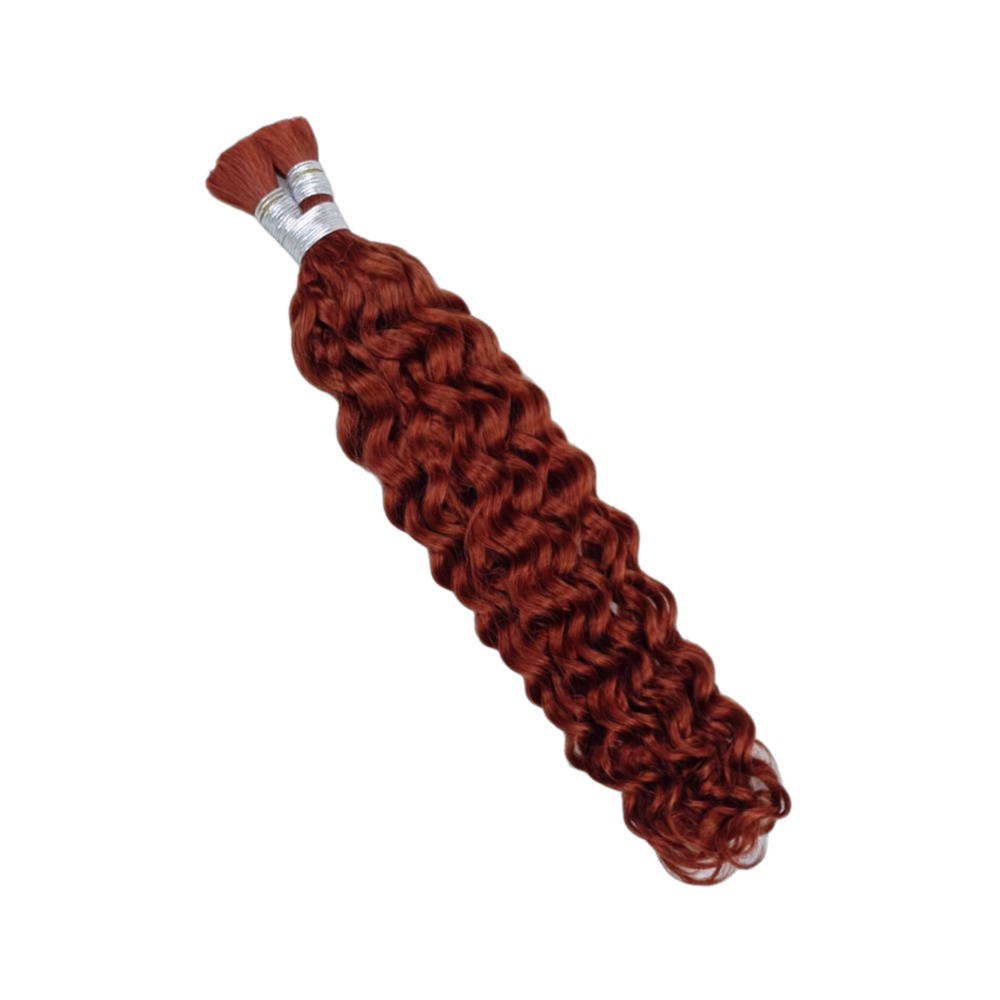
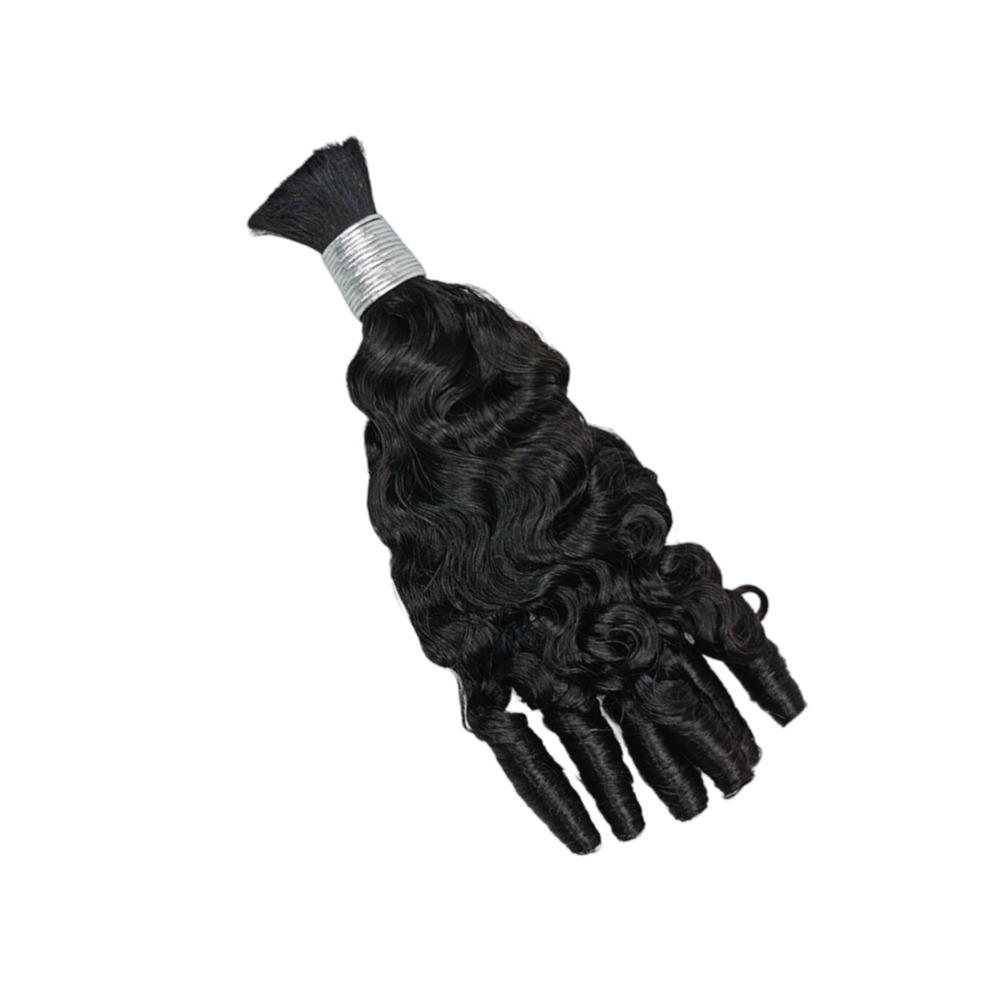
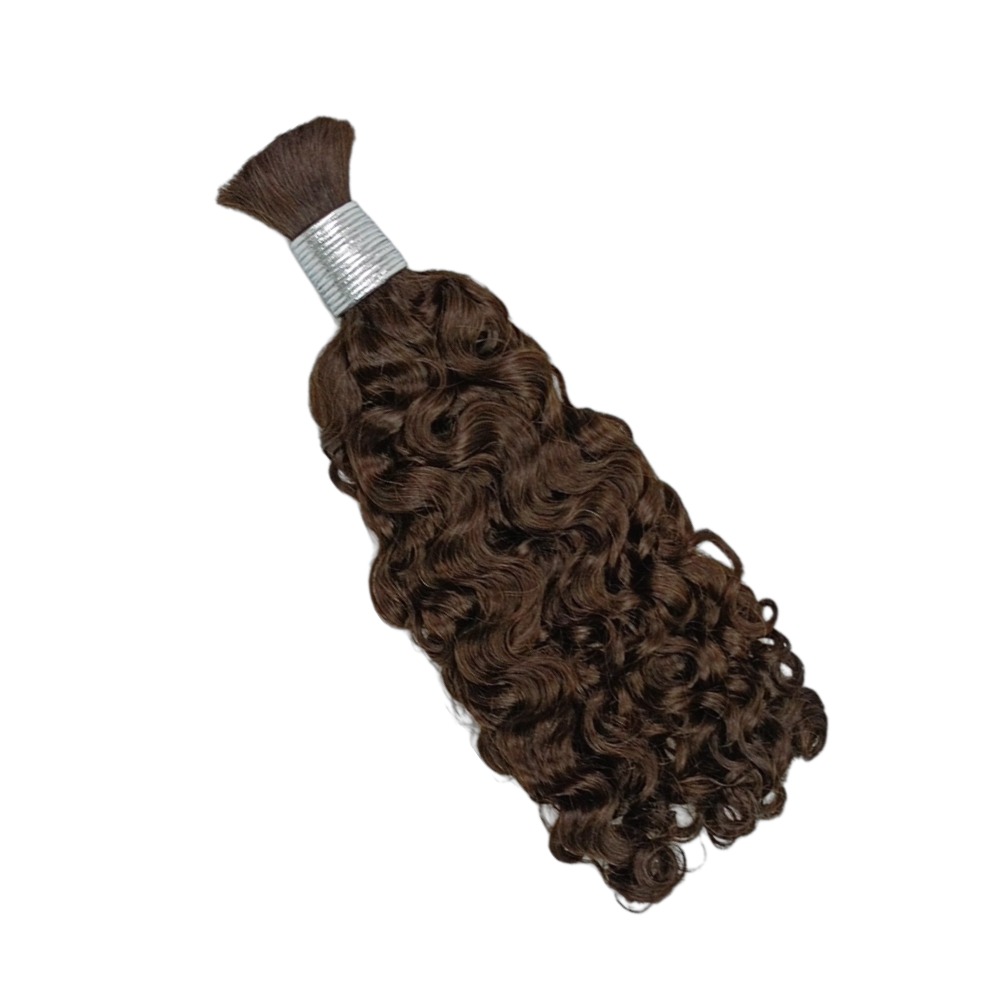
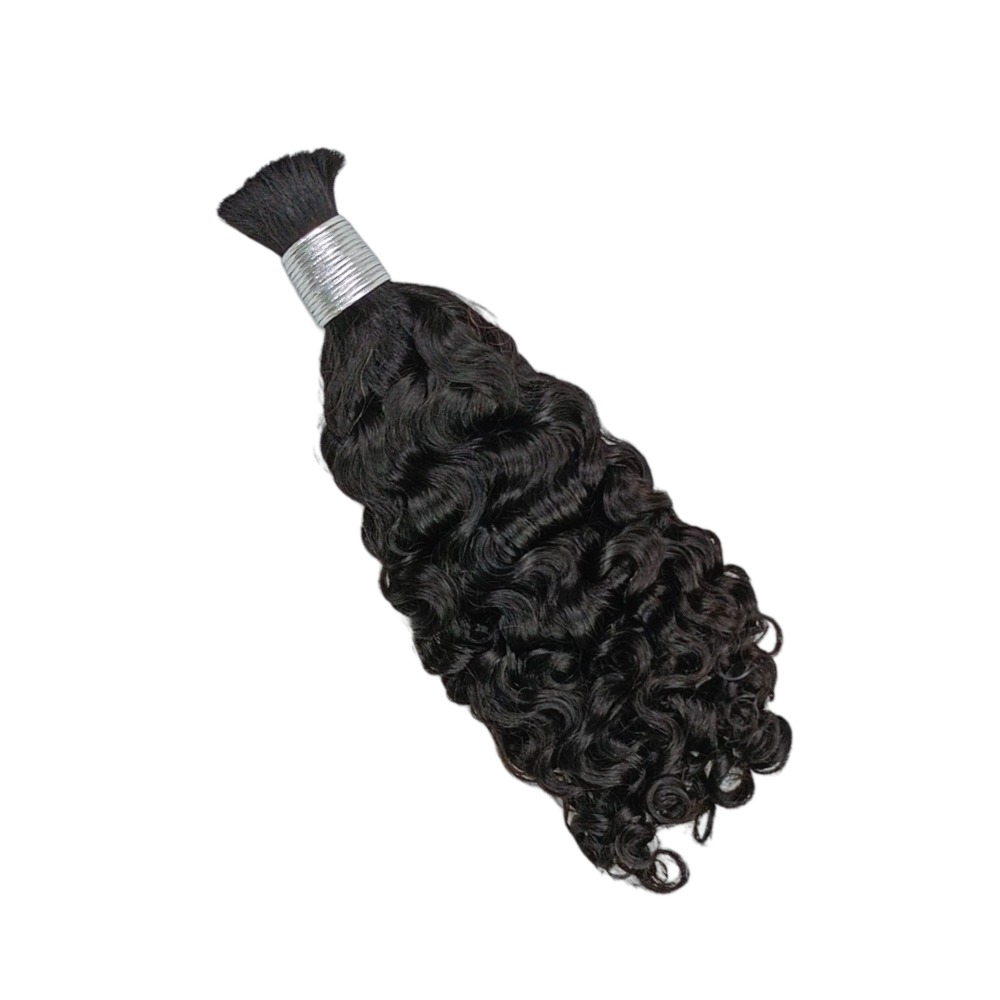
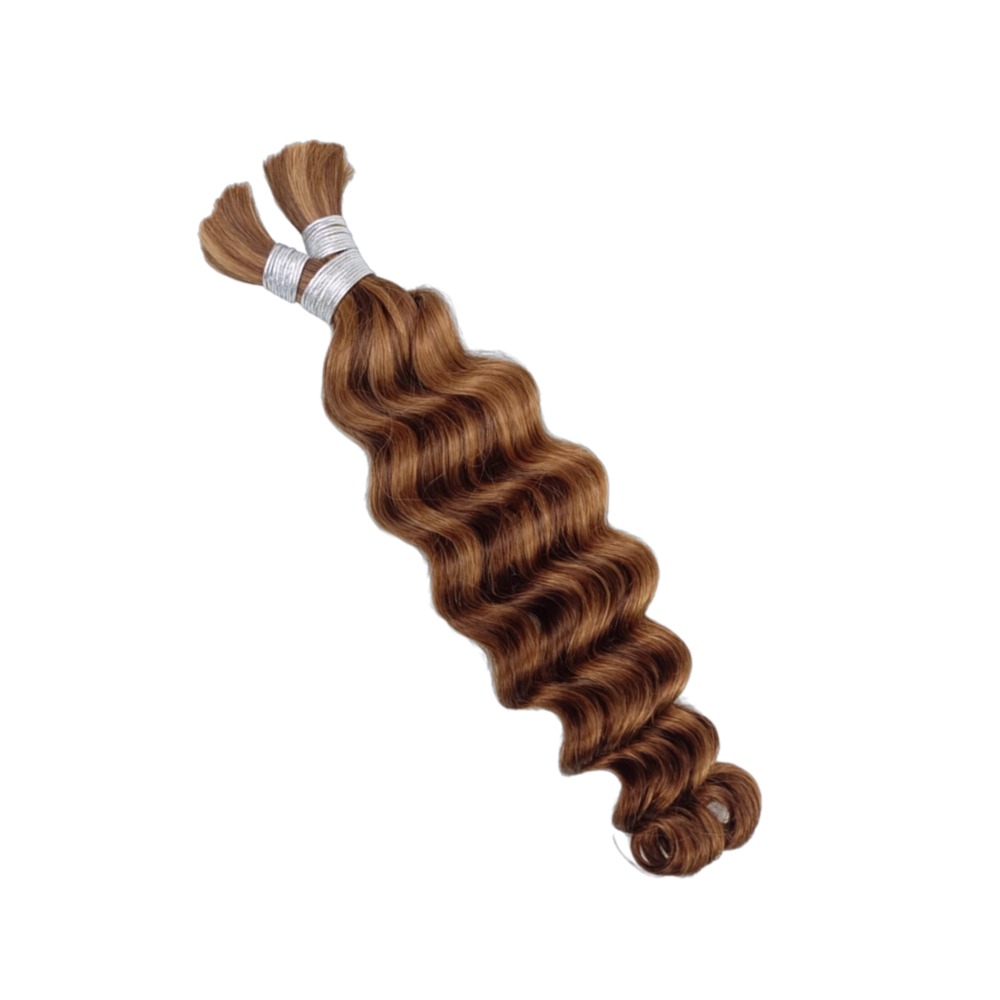
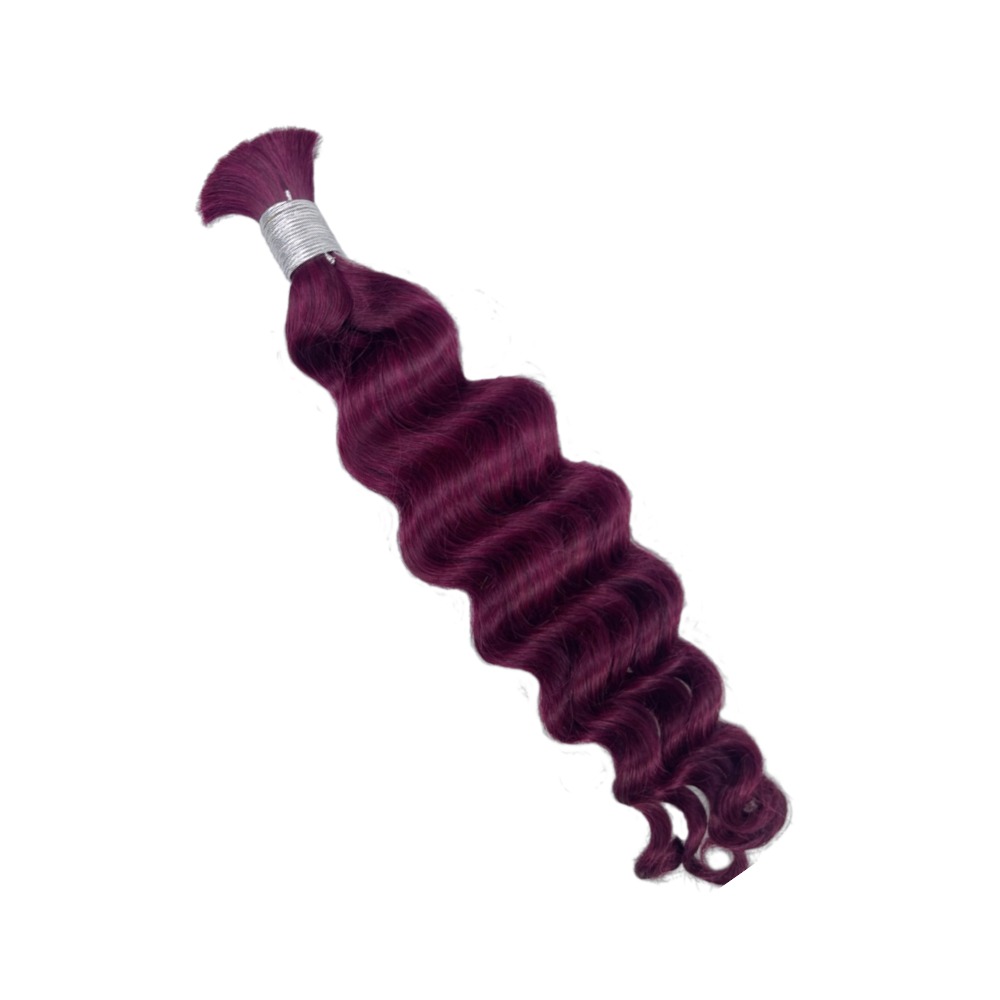
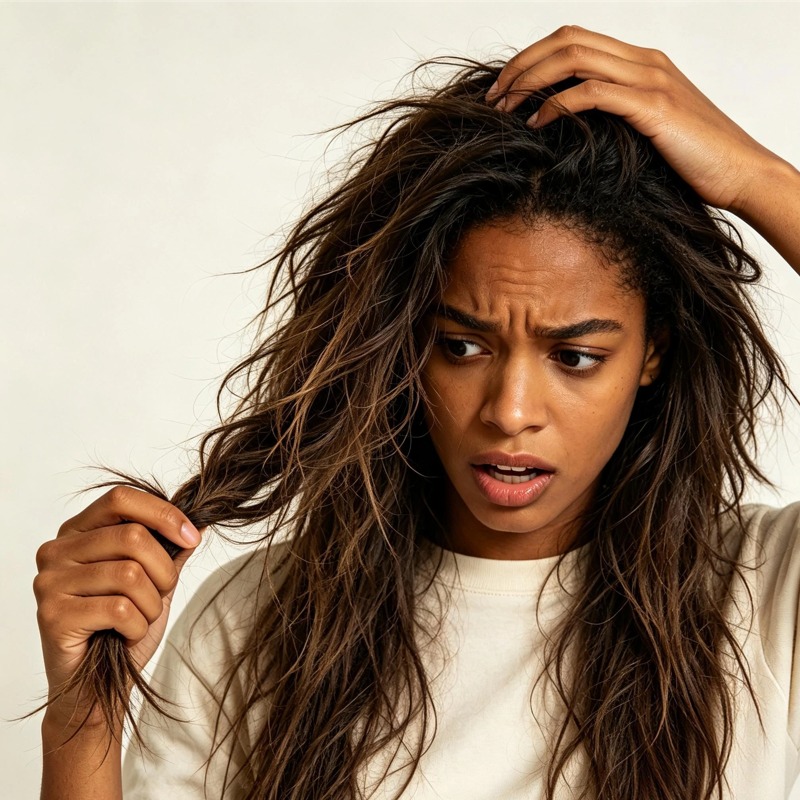
Hair extensions are widely popular now, and severe damage to natural hair is rare. Most beginners choose professional stylists for installation and removal, while only experienced users attempt at-home application. With proper fitting and care, the risk to your natural hair is very low. Damage usually stems from improper installation, over-wearing or poor maintenance, and issues are mostly mild and reversible.
Potential mild risks
- Traction strain: Overly tight or heavy extensions create constant tension on follicles, potentially causing temporary breakage or root thinning with prolonged wear.
- Cuticle damage: Heat from keratin bonding, adhesive residue or rough removal can wear the hair cuticle, leaving hair dry and frizzy (only applies to heat-fused and adhesive methods).
- Scalp discomfort: Poorly fitted extensions reduce scalp ventilation, causing mild itchiness or product buildup with infrequent cleansing.
Risk levels by extension method
Based on professional installation and standard care.
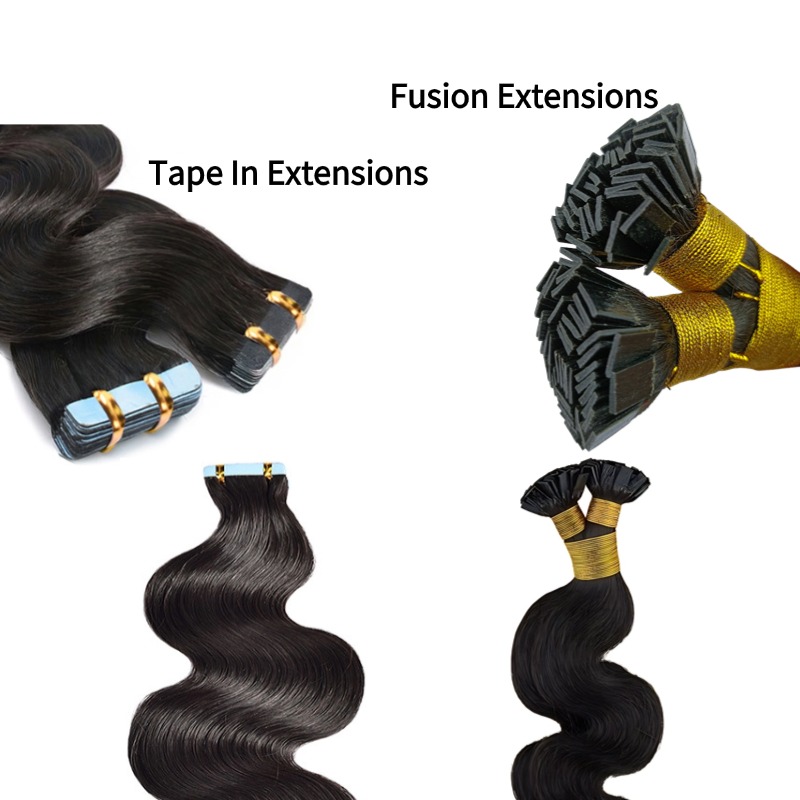
Lowest Risk (Temporary, daily removable)
Low Risk (Semi-permanent, even weight distribution)
Low-Moderate Risk (Braided into cornrows. No glue, no heat.)
Moderate Risk — Cold bead application (No heat, no glue)
Weight concentrates on small hair strands; overloading may cause breakage over time.
Moderate Risk — Heat-fused keratin bonded
Installation heat and glue residue may weaken the cuticle; not recommended for fine fragile hair.
Variable Risk (Unit systems)
Risk depends on installation method.
- Closures & Frontals: Glueless wear = low risk; glue/tape = moderate; sew-in = moderate-high.
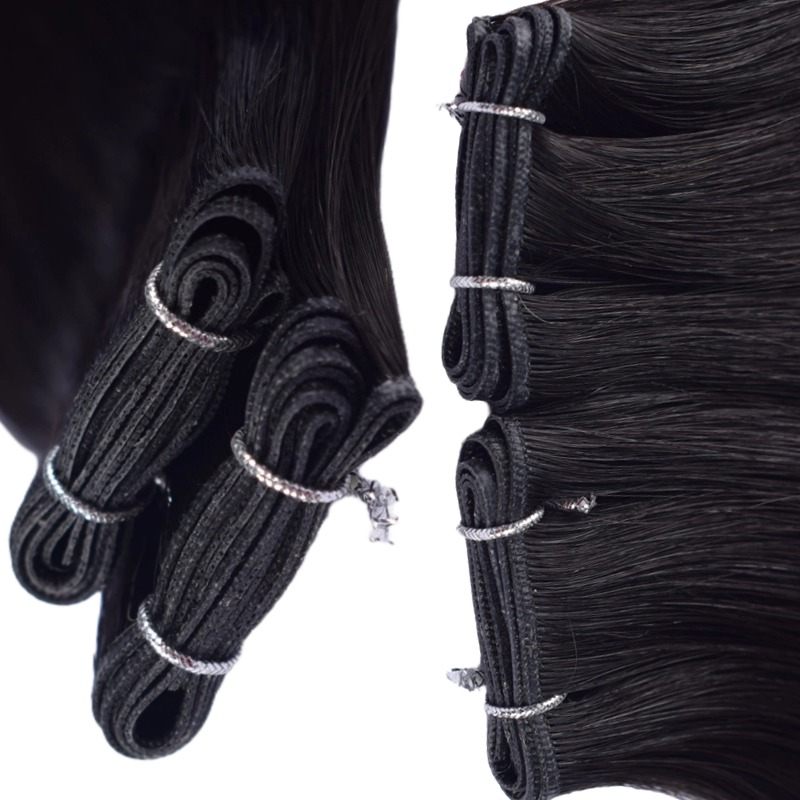
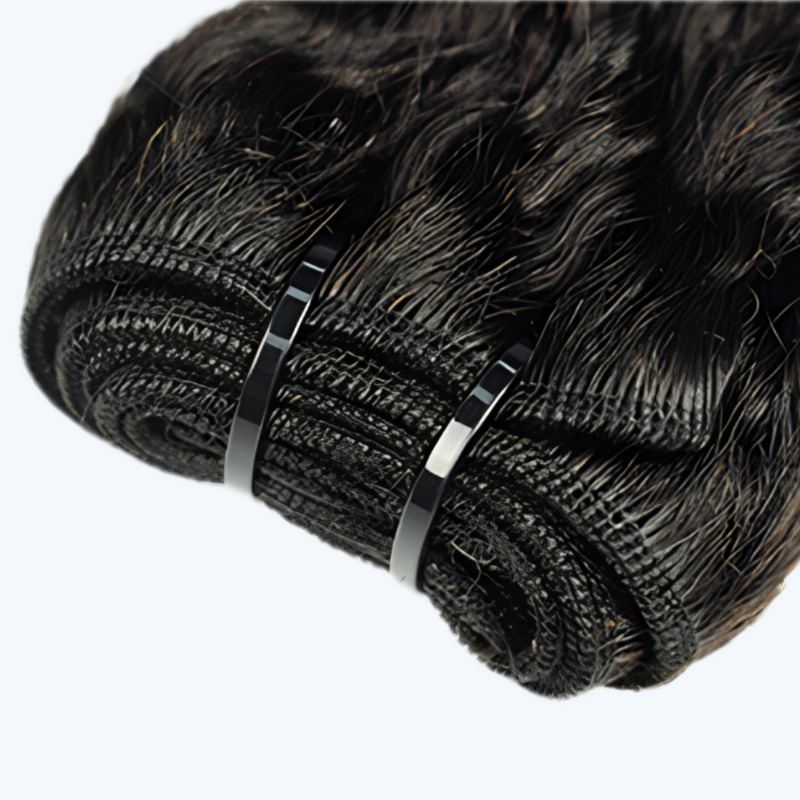
Moderate-High Risk (Braided foundation)
Continuous scalp tension raises traction alopecia risk with long-term wear.
- Sew-in Weft Extensions
- Genius Weft Extensions
Protection tips
- Choose qualified stylists for professional installation and removal; never forcefully pull bonded extensions.
- Follow recommended wear times, schedule maintenance appointments, and take breaks between installs.
- Use gentle oil-free hair products; detangle from ends to roots to reduce pulling.
- Avoid sleeping with wet extensions; limit high-heat styling.
Conclusion
Hair extensions are not inherently damaging. Most issues result from unprofessional application, over-wearing or poor aftercare. Proper installation and routine maintenance will keep your natural hair healthy.